Height
24-26 inches (61-66 cm) for males 22-24 inches (56-61 cm) for females

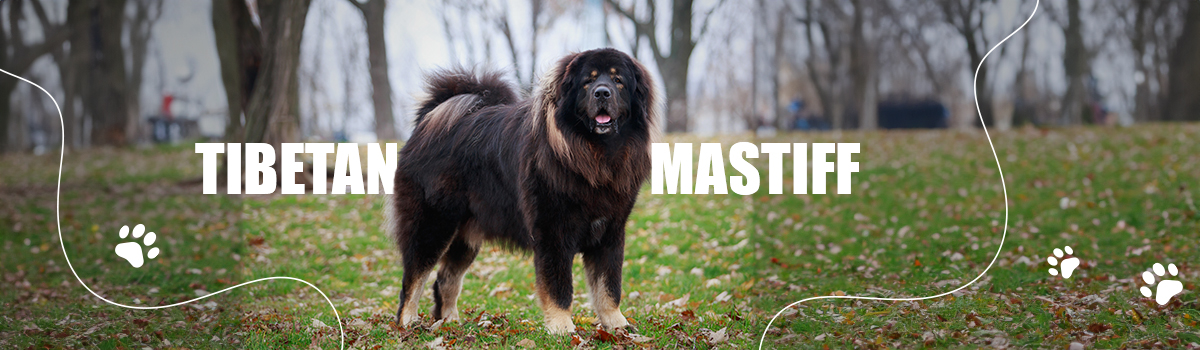
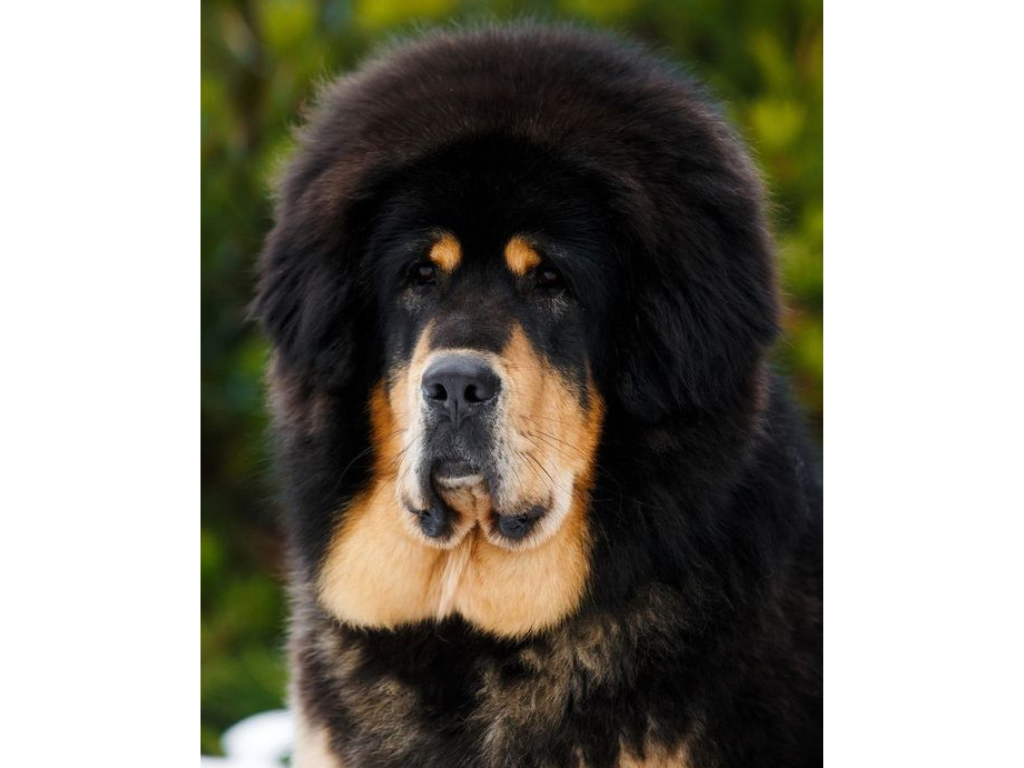
The Tibetan Mastiff is a majestic and ancient breed known for its imposing size, protective nature, and serene demeanor. Originating from the Himalayan region of Tibet, these dogs were traditionally used by nomadic cultures to guard livestock and property.
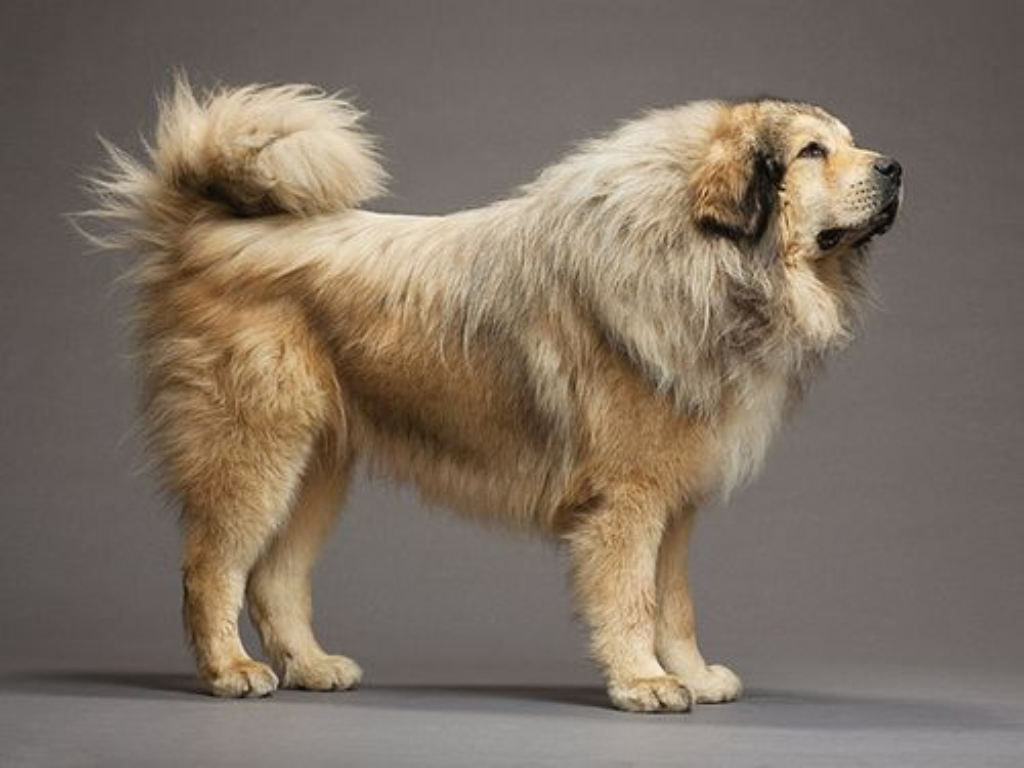
Tibetan Mastiffs are large, powerful dogs with a robust and muscular build. They have a dense, double coat that helps them withstand harsh weather conditions. Their coat colors can vary widely, including black, brown, blue-gray, gold, and various shades of these colors, often with tan markings.
Here is a breakdown of key data related to , presented in a chart
24-26 inches (61-66 cm) for males 22-24 inches (56-61 cm) for females
70-150 pounds (32-68 kg) for males 55-120 pounds (25-54 kg) for females
10-14 years
Tibetan Mastiffs are known for their protective and independent nature. They are highly loyal to their families and naturally suspicious of strangers, making them excellent guard dogs. While they can be aloof and reserved, they are also gentle and affectionate with their loved ones. Tibetan Mastiffs are intelligent but can be stubborn and strong-willed, requiring an experienced owner who can establish clear boundaries and provide consistent training.
Tibetan Mastiffs are intelligent dogs with a strong independent streak. They require a firm and consistent approach to training, using positive reinforcement techniques such as treats, praise, and play. Early socialization is crucial to help them develop into well-mannered adults and to manage their protective instincts. Training should start early and continue throughout their life to ensure they remain obedient and well-adjusted.
While generally a robust breed, Tibetan Mastiffs can be prone to certain health issues, including hip and elbow dysplasia, hypothyroidism, and eye problems such as entropion and ectropion. They may also suffer from autoimmune diseases. Regular veterinary check-ups, a balanced diet, appropriate exercise, and preventive care are essential to maintain their health. Their thick coat requires regular grooming to prevent matting and to manage seasonal shedding.
Protective, Independent, Loyal, Reserved, Intelligent
The Tibetan Mastiff's combination of strength, loyalty, and serene presence makes it a remarkable breed. These dogs excel as guardians and loyal family members for those who can meet their needs and understand their unique characteristics. Whether standing watch over a property or being a steadfast companion, Tibetan Mastiffs continue to impress with their majestic demeanor and unwavering devotion. Their ancient heritage and noble qualities ensure they remain a revered and cherished breed.
Every breed was shaped for a job, and that history still shows in temperament, energy, size and grooming needs. A breed that suits a large house with a garden may struggle in a city flat, and a dog bred for long working days will need far more exercise than a small companion breed.
Use this guide to compare breeds on the things that matter day to day: how much activity they need, how they cope with India's heat and humidity, how much grooming they take, and how they usually get on with children and other pets.