Height
Weight: 65-80 pounds (29-36 kg) for males</br> 55-70 pounds (25-32 kg) for females

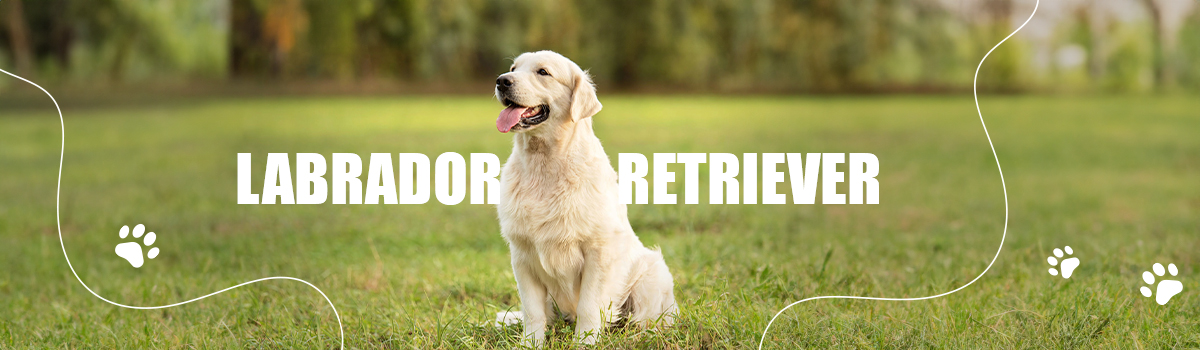
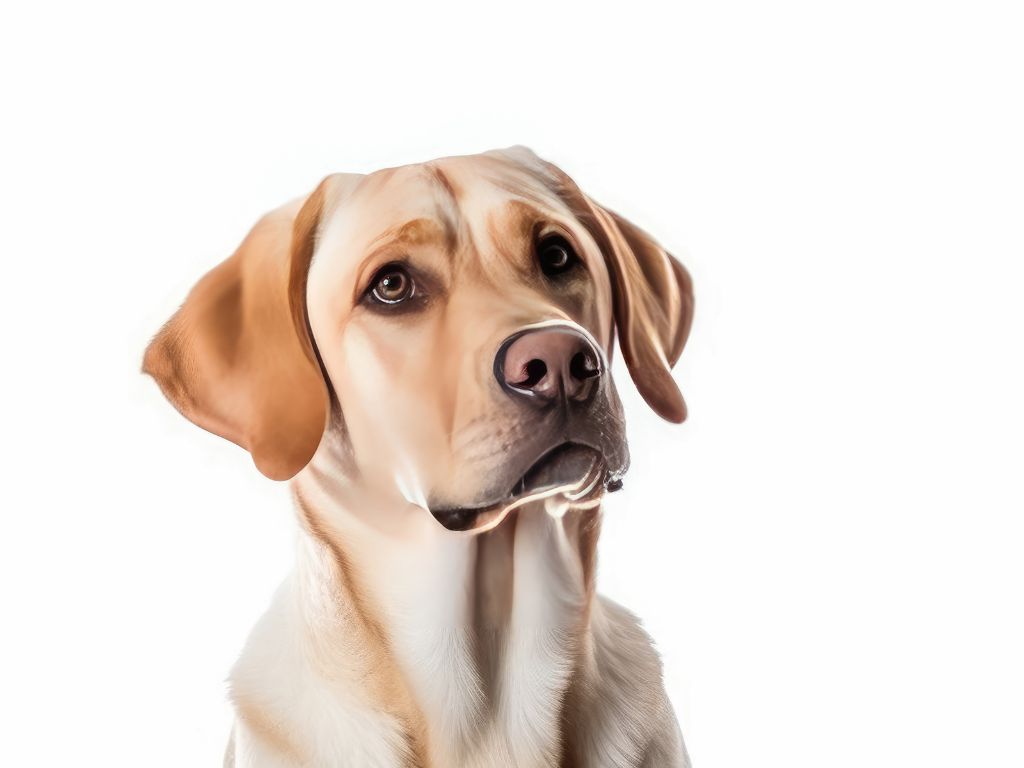
The Labrador Retriever, renowned for its friendly demeanour, intelligence, and versatility, stands as one of the most popular and beloved dog breeds globally. Originally hailing from Newfoundland, Labrador Retrievers have evolved into multifaceted companions, excelling in roles such as guide dogs, search and rescue, therapy dogs, and, of course, as cherished family pets.
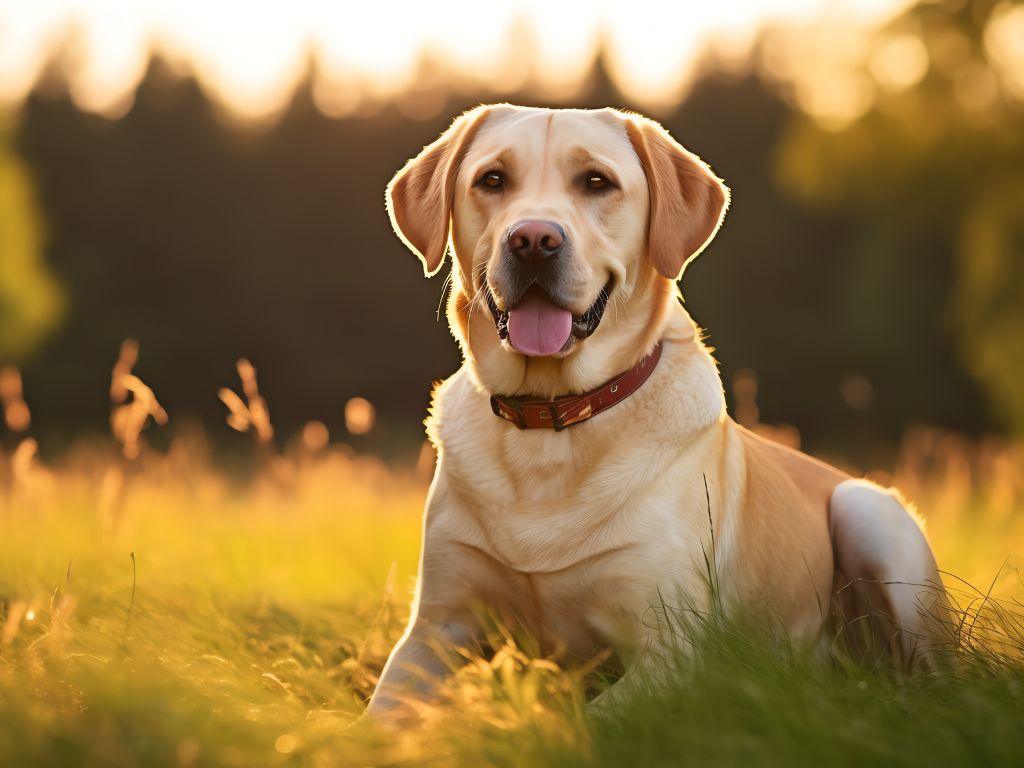
Labrador Retrievers are medium to large-sized dogs with a strong, athletic build. They have a short, dense double coat that comes in three recognized colours: black, yellow, and chocolate. The breed's expressive eyes, otter-like tail, and distinctive "otter" tail contribute to its friendly and approachable appearance.
Here is a breakdown of key data related to , presented in a chart
Weight: 65-80 pounds (29-36 kg) for males</br> 55-70 pounds (25-32 kg) for females
Weight: 40-80 pounds (18-36 kg)
10-14 years
Labrador Retrievers are celebrated for their friendly and outgoing nature, making them excellent family pets. They are known for their patience and tolerance, particularly with children, showcasing a gentle disposition. Their eagerness to please and sociable demeanour contribute to their popularity as therapy dogs and loyal companions.
Belgian Malinois rank among the most intelligent dog breeds, showcasing a remarkable ability to learn and execute commands. Their trainability, coupled with a strong work ethic, makes them suitable for various roles, including police work, agility competitions, and search and rescue missions
Friendly, Outgoing, Gentle, Intelligent, Eager to Please
The Labrador Retriever's friendly disposition, intelligence, and versatility have solidified its place as an ideal family companion and working dog. Whether retrieving waterfowl, assisting individuals with disabilities, or simply being a loyal and loving family member, the Labrador Retriever continues to captivate hearts with its charm and reliability.
Every breed was shaped for a job, and that history still shows in temperament, energy, size and grooming needs. A breed that suits a large house with a garden may struggle in a city flat, and a dog bred for long working days will need far more exercise than a small companion breed.
Use this guide to compare breeds on the things that matter day to day: how much activity they need, how they cope with India's heat and humidity, how much grooming they take, and how they usually get on with children and other pets.