Height
Height: 30-34 inches (76-86 cm) for males 28-32 inches (71-81 cm) for females

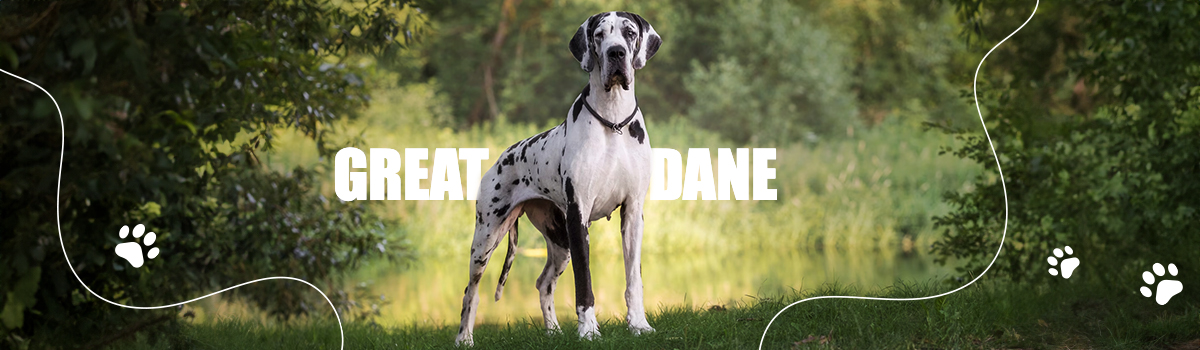
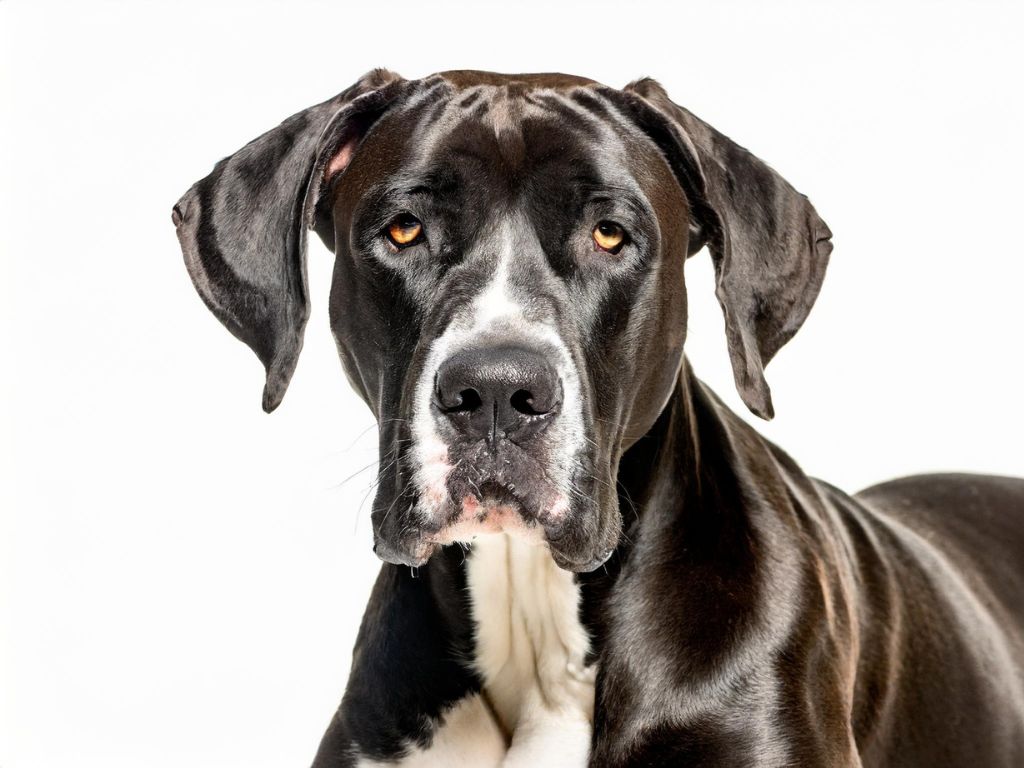
The Great Dane, often referred to as the "Apollo of dogs," is a breed known for its giant stature, elegant appearance, and gentle demeanor. Originating from Germany, Great Danes were originally bred for hunting large game such as boar. Today, they are cherished for their friendly and affectionate nature, making them excellent family companions despite their imposing size.
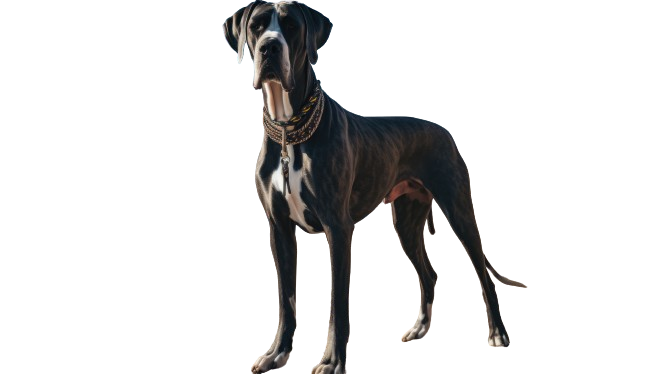
Great Danes are one of the tallest dog breeds, with a strong, muscular, and well-proportioned build. They have a short, smooth coat that comes in various colors, including fawn, brindle, blue, black, harlequin, and mantle. Their head is rectangular with a pronounced stop, and their ears can be naturally floppy or cropped. Their expressive eyes and noble stance contribute to their regal appearance.
Here is a breakdown of key data related to , presented in a chart
Height: 30-34 inches (76-86 cm) for males 28-32 inches (71-81 cm) for females
Weight: 140-175 pounds (64-79 kg) for males 110-140 pounds (50-64 kg) for females
7-10 years
Great Danes are known for their gentle and friendly nature. Despite their size, they are often described as "gentle giants." They are affectionate with their families and get along well with children and other pets. They can be protective when needed but are generally good-natured and patient. Their calm demeanor makes them suitable for various living environments, provided they have enough space to move around comfortably.
Great Danes are intelligent and eager to please, making them relatively easy to train. They respond well to positive reinforcement techniques and benefit from early socialization and consistent training to ensure they grow into well-mannered adults. Given their size, it is important to establish good behavior and obedience from a young age.
While generally healthy, Great Danes are prone to certain health issues due to their size and genetics. Common health concerns include hip dysplasia, bloat (gastric dilatation-volvulus), heart disease, and certain types of cancer. Regular veterinary check-ups, a balanced diet, appropriate exercise, and preventive care are essential to maintain their health and well-being.
Intelligent, Energetic, Loyal, Agile, Protective
The Great Dane's combination of size, elegance, and gentle nature has made it a beloved breed for those seeking a loyal and affectionate companion. Whether towering over the family as a gentle protector or lounging gracefully at home, Great Danes continue to capture hearts with their majestic presence and loving disposition.
Every breed was shaped for a job, and that history still shows in temperament, energy, size and grooming needs. A breed that suits a large house with a garden may struggle in a city flat, and a dog bred for long working days will need far more exercise than a small companion breed.
Use this guide to compare breeds on the things that matter day to day: how much activity they need, how they cope with India's heat and humidity, how much grooming they take, and how they usually get on with children and other pets.