Height
Height: 24-28 inches (61-71 cm) for males, 22-26 inches (56-66 cm) for females

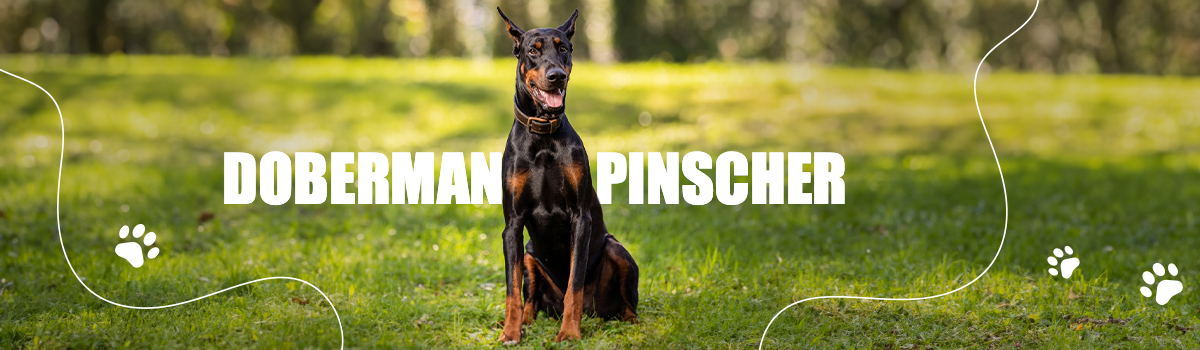
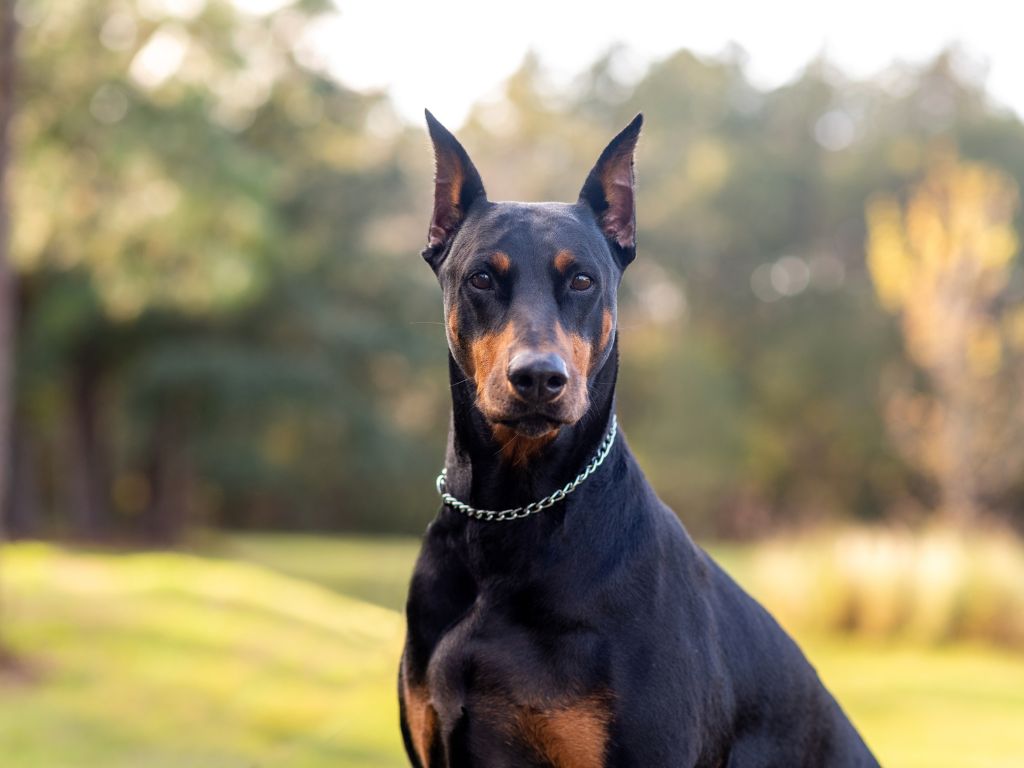
The Doberman Pinscher, often simply referred to as the "Doberman," is a breed renowned for its loyalty, intelligence, and imposing appearance. Originating in Germany, Dobermans were initially bred as guard dogs, but they have since become cherished family companions known for their versatility and protective instincts.
Doberman Pinschers are medium to large-sized dogs with a sleek, muscular build. They have a short, dense coat that comes in black, red, blue, and fawn colors, often with rust-colored markings. The breed's head is wedge-shaped, with a long muzzle and alert, intelligent eyes. Dobermans have a docked tail and cropped ears, though ear cropping is becoming less common in some regions.
Here is a breakdown of key data related to , presented in a chart
Height: 24-28 inches (61-71 cm) for males, 22-26 inches (56-66 cm) for females
Weight: 75-100 pounds (34-45 kg) for males, 60-90 pounds (27-41 kg) for females
10-13 years
Doberman Pinschers are known for their loyalty and intelligence, making them excellent guard dogs and companions. They are highly trainable and thrive on mental stimulation and physical exercise. While they are protective of their families, Dobermans are also affectionate and form strong bonds with their owners.
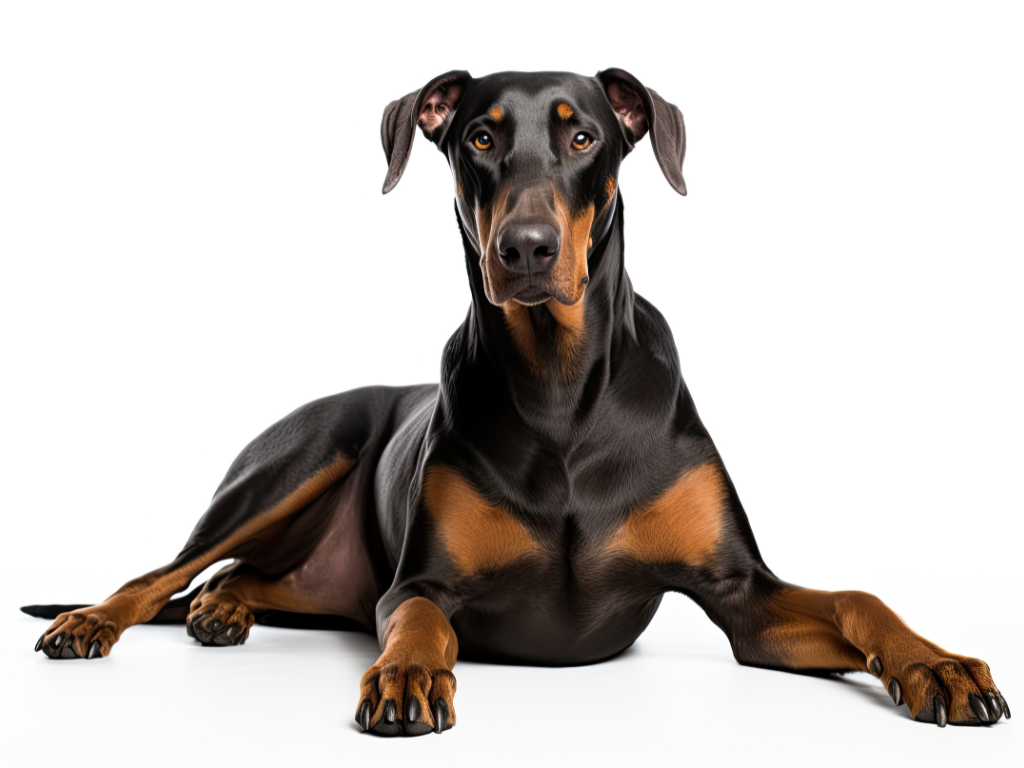
Loyal, Intelligent, Energetic, Alert, Protective
Doberman Pinschers can be prone to certain health issues, including dilated cardiomyopathy (a heart condition), hip dysplasia, and von Willebrand's disease (a bleeding disorder). Regular veterinary check-ups, a balanced diet, and regular exercise are essential for maintaining their overall health and well-being.
Dobermans are highly intelligent and responsive to training, making them versatile working dogs. They excel in obedience, agility, and protection sports. Early socialization and consistent, positive reinforcement training are essential to channel their intelligence and energy effectively.
The Doberman Pinscher's combination of intelligence, loyalty, and protective instincts has made it a popular choice for families and working roles worldwide. Whether serving as a loyal guardian or a devoted family pet, the Doberman continues to leave a lasting impression with its imposing presence and unwavering devotion to its human companions.
Every breed was shaped for a job, and that history still shows in temperament, energy, size and grooming needs. A breed that suits a large house with a garden may struggle in a city flat, and a dog bred for long working days will need far more exercise than a small companion breed.
Use this guide to compare breeds on the things that matter day to day: how much activity they need, how they cope with India's heat and humidity, how much grooming they take, and how they usually get on with children and other pets.