
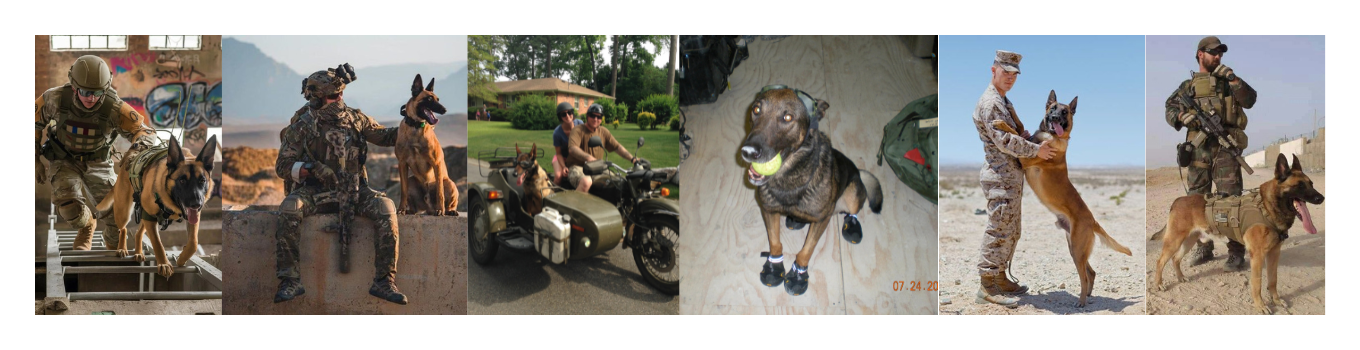
Cairo: The Elite Military Working Dog
Cairo is one of the most famous military working dogs in recent history, known for his role in the high-profile mission that led to the death of Osama bin Laden, the mastermind behind the September 11, 2001, terrorist attacks. As a member of the United States Navy SEAL Team 6, Cairo exemplifies the extraordinary capabilities and contributions of military working dogs.
Background and Training
Cairo is a Belgian Malinois, a breed known for its intelligence, agility, and strong work ethic, making them ideal for military and police work. Belgian Malinois are often preferred over other breeds for their versatility and ability to perform a wide range of tasks, from detection to patrol and attack missions. Cairo underwent rigorous training to prepare for the demands of military operations, including obedience, agility, tracking, and specialized skills such as detecting explosives and enemy combatants.
Role in the Bin Laden Raid
Cairo's most notable mission took place on May 2, 2011, during Operation Neptune Spear, the Navy SEAL raid on Osama bin Laden's compound in Abbottabad, Pakistan. The operation, carried out by SEAL Team 6, was a meticulously planned and highly secretive mission. Cairo played a critical role in the success of the raid by helping to secure the perimeter of the compound and ensure there were no hidden dangers or escape routes for bin Laden or his associates.
Equipped with specialized gear, including body armor and night-vision goggles, Cairo demonstrated the advanced technology and training utilized by military working dogs. His presence provided an added layer of security and confidence for the SEALs as they executed the mission.
Legacy and Recognition
Cairo's involvement in the raid brought significant attention to the important role of military working dogs. Although many details of the operation remain classified, Cairo's contributions have been publicly acknowledged by military officials and celebrated by the public. His bravery and skill have highlighted the invaluable partnership between military dogs and their handlers.
Following the mission, Cairo retired from active duty and lived with his handler, enjoying a well-deserved rest after his years of service. His story continues to inspire and educate people about the critical roles that dogs play in military operations and the deep bond they share with their handlers.
Conclusion
Cairo's legacy as an elite military working dog is a testament to the bravery, intelligence, and dedication of these remarkable animals. His role in the mission to capture Osama bin Laden underscores the significant contributions of military dogs in ensuring the success and safety of high-stakes operations. Cairo's story serves as a powerful reminder of the unique and vital partnership between humans and dogs in the pursuit of security and peace.