
Why Humans Started Selective Breeding: The Science Behind Purpose-Driven Dog Development
Dogs are not just pets - they are one of the greatest scientific and social experiments humans have ever carried out. From hunters to guardians to beloved companions, every dog breed we see today exists because of selective breeding - a deliberate process humans began thousands of years ago.
But why did humans start breeding dogs in the first place? Let’s dive into the fascinating science, history, and purpose-driven evolution behind dog development.
The Scientific Foundation: Proof from Modern Research
Modern neuroscience confirms what history has always suggested: humans bred dogs for specific roles.
As David Gutman, associate professor of medicine at Emory University, explains in The Journal of Neuroscience:
“Humans have bred different lineages of domestic dogs for different tasks such as hunting, herding, guarding, or companionship.”
This isn’t just theory, brain scans (MRI studies) show that different dog groups have structural brain differences tied to their original purpose.
Hunting dogs show distinct pathways for sight or scent tracking.
Guarding dogs have specialized brain regions linked to protective behaviors.
Companion breeds show patterns tied to social bonding and emotional connection.
This means selective breeding didn’t just change how dogs look -it literally shaped their brains.
A Look Back: From Function to Form
Early dog breeding was all about functionality.
Before the 1800s, dogs were bred mainly for hunting, guarding, or herding.
Aesthetic traits (like coat type, size, or shape) only became important much later.
Originally, dogs were valued for their skills, not their looks.
The Three Primary Reasons Humans Bred Dogs
1. Hunting Partners
Early humans relied on dogs to help secure food.
Scientific research shows distinct neural pathways between:
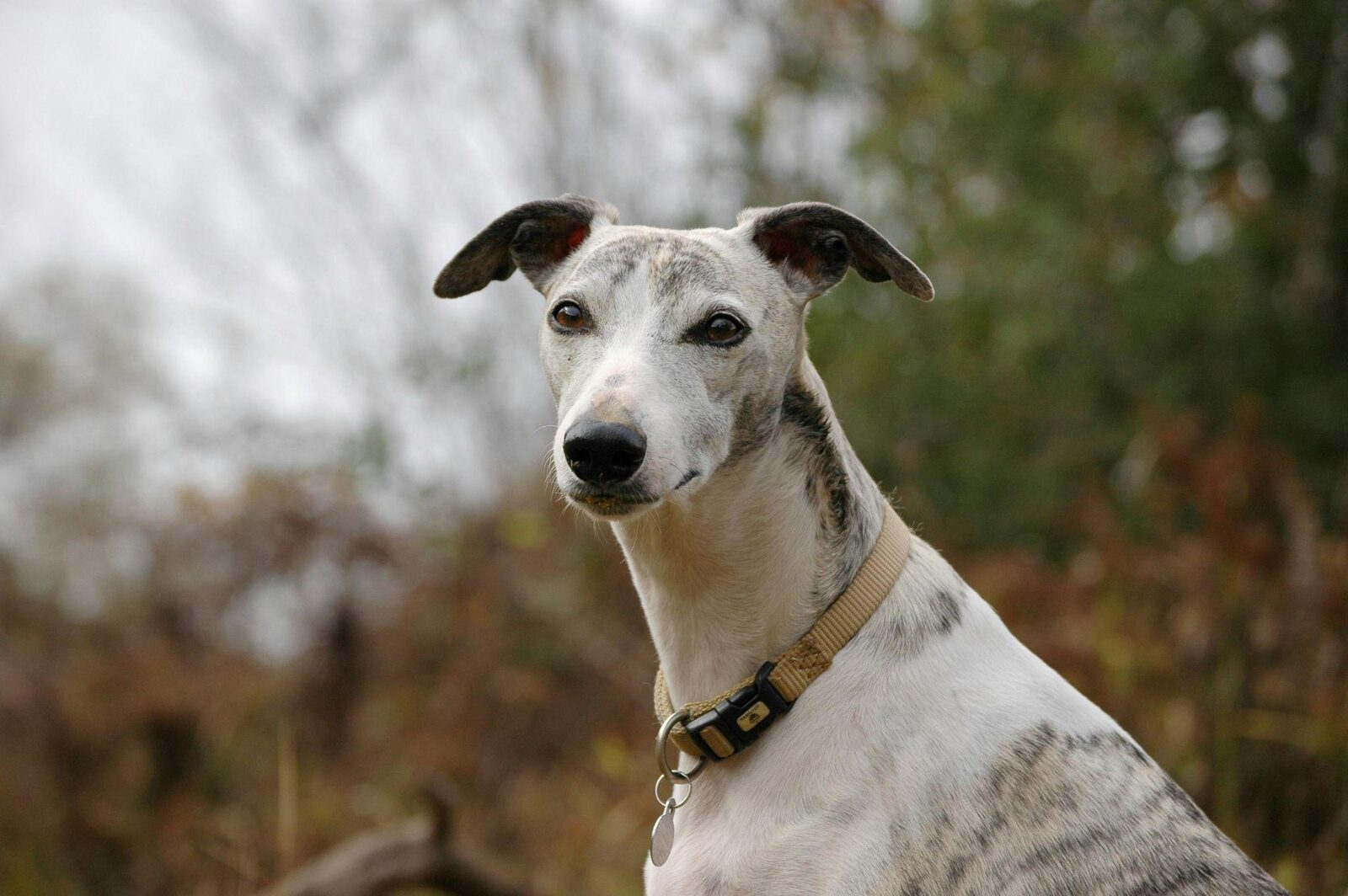
Sight hounds (like Greyhounds), bred to chase prey using vision.
Scent hounds (like Beagles), bred to track game using their nose.
This specialization was crucial for survival in ancient times.
2. Guardians and Protectors
Not all dogs hunted. Some were bred to protect humans, livestock, and property.
Peer-reviewed studies in PubMed Central confirm that guarding instincts were intentionally strengthened through selective breeding. Breeds like Mastiffs and Shepherds are living proof of this ancient purpose.
3. Companionship
While hunting and guarding were practical, humans also valued dogs for emotional support.
Surprisingly, companionship wasn’t just an accidental byproduct - it was a deliberate breeding goal. MRI studies show that breeds developed for companionship (like toy breeds) have unique brain structures that enhance bonding and social interaction.
The AKC’s Proof: How Breeds Are Still Grouped
The American Kennel Club (AKC) organizes its recognized breeds into 7 functional groups:
Sporting
Hound
Working
Terrier
Toy
Non-Sporting
Herding
This system directly reflects the historical reasons dogs were bred—for tasks, temperament, and companionship.
Selective Breeding Today: Still Purpose-Driven
Selective breeding isn’t just ancient history - it continues to shape modern dogs.
For example, Guiding Eyes for the Blind has reduced hip and elbow problems in guide dogs by over 90% through careful breeding. (Frontiers in Veterinary Science).
A prime example is Guiding Eyes for the Blind. Their purpose-driven breeding program has reduced hip and elbow problems in guide dogs by over 90% through careful breeding. (Frontiers in Veterinary Science).They use a data-driven approach, including a dog's "Estimated Breeding Values" to select parents that will produce the healthiest offspring. This focus on genetic health is critical for guide dogs, who need to be physically sound to perform their demanding jobs.
This method extends beyond health. Selective breeding is also used to ensure dogs have the right temperament for their roles, whether that's the calm demeanor of a therapy dog, the confident focus of a guide dog, or the alert nature of a security dog. By prioritizing these functional traits over purely aesthetic ones, modern breeding is creating dogs that are not only healthier but also better suited to thrive as working partners and companions in today's world.
The Big Picture: Science and Partnership
From ancient hunters in Eurasia to modern service programs, the science is clear:
Humans began selective breeding to create better hunters, stronger guardians, and loyal companions.
This process reshaped not just the appearance of dogs but also their brains and behaviors.
Every breed we know today from the agile Border Collie to the cuddly Pug -traces back to this purposeful partnership.
Dogs are more than pets; they are co-evolutionary partners whose development has been guided by human needs and love for thousands of years.
References (Credible Sources)
Journal of Neuroscience (2019) – Neuroanatomical studies of dog brain specialization
Science Magazine/AAAS – Research on historical dog breeding practices
PMC (PubMed Central) – U.S. Government peer-reviewed veterinary and breeding research
Frontiers in Veterinary Science – Studies on selective breeding outcomes in working dogs
American Kennel Club (AKC) – Official breed classifications and history
Emory University Research – Studies on functional purpose of dog lineages
Association of American Universities (AAU) – Research on behavioral networks in dogs