
Natural vs. Man-Made Breeds: What Shaped Dogs Before vs. After Humans Stepped In
Dogs didn’t always come in so many shapes and sizes. Long before humans started breeding them, their ancestors - the wolves - were shaped only by nature’s survival rules. Later, humans took over, guiding evolution to create the hundreds of dog breeds we know today.
Here’s how nature and humans worked at different times to shape man’s best friend.
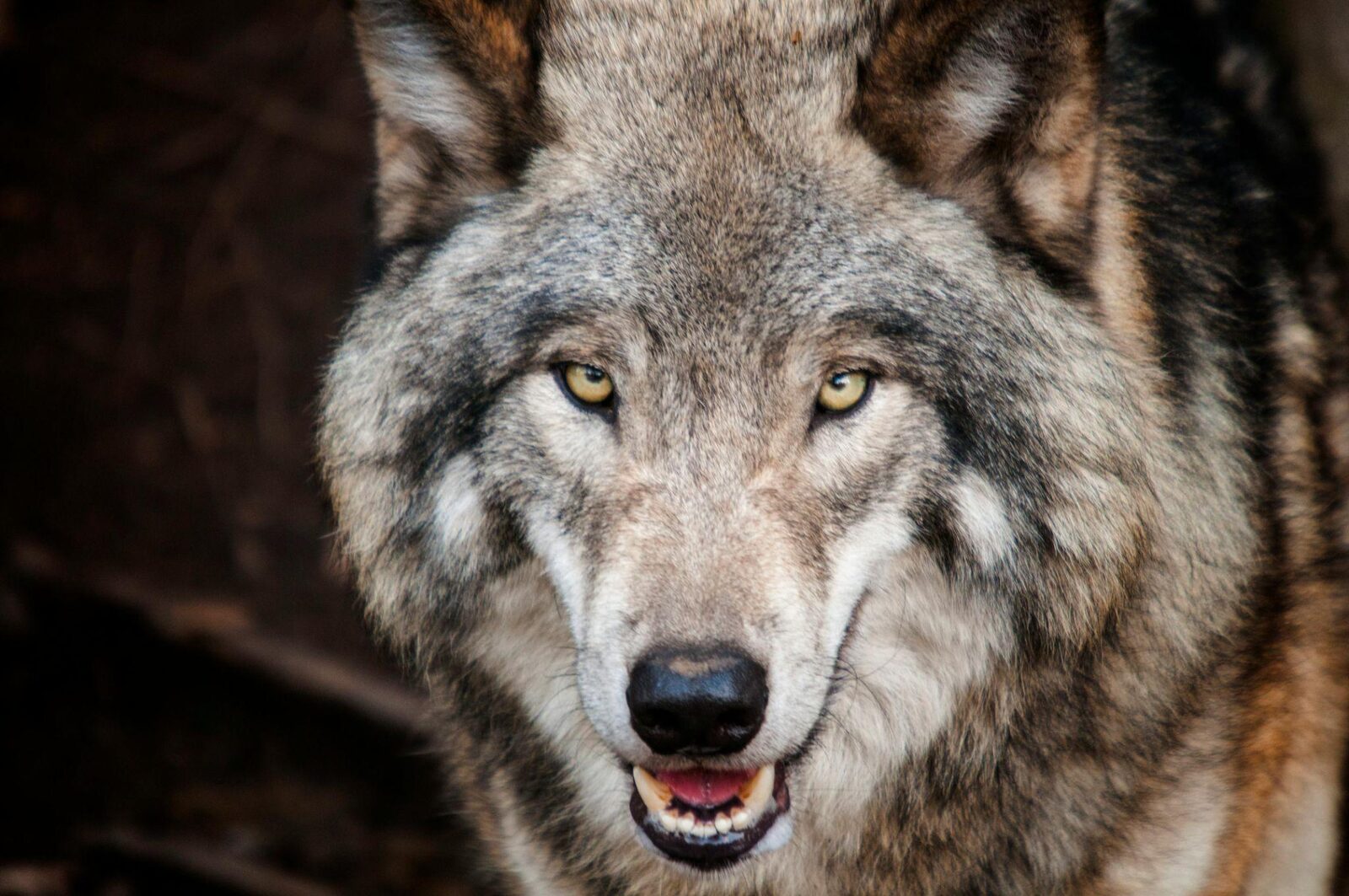
Before Humans: Wolves and Natural Selection
Between 20,000 and 100,000 years ago, wolf groups across the world were closely connected. This allowed useful genetic changes - like better hunting ability or stronger immunity to spread quickly, helping wolves survive in harsh environments (Nature, 2022).
In simple terms: nature built wolves to survive in the wild -tough, adaptable, and skilled hunters.
The Transition: When Nature Met Humans
Domestication wasn’t sudden. For a long time, wolves and humans influenced each other.
Friendlier wolves started staying near human camps for food.
Humans tolerated (and later protected) these less-aggressive wolves.
Over time, these wolves changed, step by step, into early dogs.
Research in Proceedings of the Royal Society B shows this period was a mix of natural selection (favoring adaptable wolves) and human influence (favoring tame behavior).
Humans Take Over: Artificial Selection
Once humans realized they could guide traits, they began selective breeding.
Dogs were bred for jobs - hunting, guarding, herding, companionship.
Appearance soon became a factor too, leading to breed standards.
Unlike nature’s slow pace, humans shaped dogs dramatically within just a few generations.
PNAS research confirms that humans have been shaping dogs this way for at least 14,000 years.
Natural vs. Artificial: The Speed of Change
Natural Selection: Took hundreds of thousands of years to create wolves built for survival.
Artificial Selection: In just a few thousand years, humans created everything from Chihuahuas to Great Danes. (ScienceDirect, 2023)
This shows just how powerful human-controlled breeding can be compared to nature’s slow hand.
When Wolves and Dogs Mix Again
Even today, dogs and wolves sometimes interbreed. This “genetic mixing” (introgressive hybridization) lets human-influenced traits flow back into wild wolf populations (PMC, 2021).
It’s proof that evolution is ongoing, and nature and humans are still writing the dog’s story together.
Key Difference: Survival vs. Specialization
Wolves (Natural Selection): Built for survival, adaptability, and balance with nature.
Dogs (Artificial Selection): Built for specific jobs or looks even if those traits don’t help survival in the wild.
In short: wolves became survivors, dogs became specialists.
Final Thoughts
The story of dogs is really a story of two forces:
Nature, which created the strong and adaptable wolf.
Humans, who transformed wolves into the wide variety of dog breeds we love today.
From wild hunters to cuddly companions, dogs remind us how powerful both survival and human creativity can be in shaping life.
References (Credible Sources)
Nature (2022) – Grey wolf genomic history and evolutionary connectivity
PNAS – Timeline of dog domestication and artificial selection
PMC (PubMed Central) – Peer-reviewed studies on selective breeding and health impacts
Proceedings of the Royal Society B – Natural vs. human influences in early domestication
ScienceDirect – Artificial creation of modern dog breeds
Morris Animal Foundation – History of dog breeds and hybridization