
Lost & Extinct Dog Breeds - What Happened to Them?
Dogs have been humanity’s loyal companions for thousands of years. But not all breeds survived the test of time. Some disappeared entirely, either due to cultural shifts, crossbreeding, or environmental changes. Today, we explore two fascinating cases where science has uncovered what happened to these lost breeds backed by credible research.
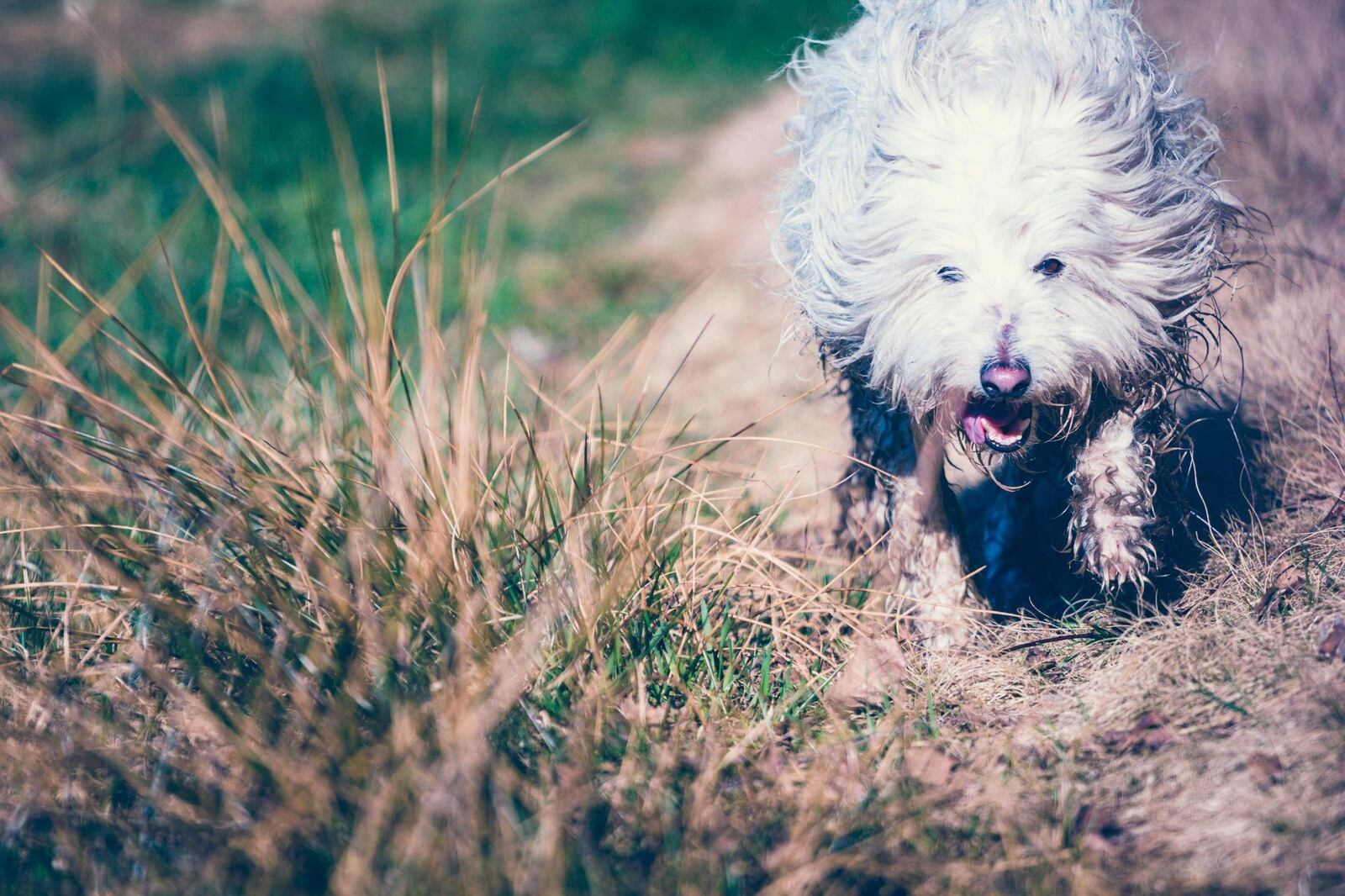
The Coast Salish Woolly Dog: A Story Preserved in Science
Long before modern cities, ancestral Coast Salish societies in the Pacific Northwest bred a special long-haired dog known as the woolly dog. These small, fluffy dogs were carefully raised over millennia, often used for weaving their soft fur into blankets and clothing.
Unfortunately, the 19th century brought dramatic changes. Colonization and cultural disruption led to the decline of traditional practices, including the breeding of woolly dogs. Over time, this unique population vanished entirely.
What makes the Coast Salish woolly dog especially fascinating is that its story is scientifically documented. Researchers at the Smithsonian’s National Museum of Natural History analyzed 19th-century dog genomes alongside traditional knowledge to trace their ancestry and genetics. Their work shows clearly how societal changes rather than disease or natural selection alone led to the breed’s extinction.
This example also illustrates a broader principle in conservation genetics: cultural practices, environmental shifts, and human interference can directly impact animal populations, even those carefully bred over thousands of years.
The Bullenbeisser: Lost Through Crossbreeding
Another extinct breed is the Bullenbeisser, a dog that lived in Europe centuries ago. Unlike the woolly dog, its disappearance wasn’t due to cultural disruption but rather crossbreeding.
The Bullenbeisser was eventually absorbed into the breeding lines that created the modern Boxer. Historical research from the American Boxer Club and studies published by the Morris Animal Foundation confirm that by the 19th century, the Bullenbeisser ceased to exist as a distinct breed, its genetics preserved only through its descendants.
While scientific literature specifically studying the Bullenbeisser’s extinction is limited, historical breed records support the timeline and mechanism of its disappearance.
What We Can Learn
These cases highlight two different paths to extinction:
Cultural and societal change - as with the Coast Salish woolly dog, where colonization and shifts in human practices erased a carefully maintained breed.
Crossbreeding and absorption - as with the Bullenbeisser, where selective breeding for new traits eventually eliminated the original breed.
Studying extinct breeds is more than historical curiosity - it shows how human choices shape the fate of species and teaches us lessons about conservation, genetics, and cultural heritage.
Why Scientific Research on Extinct Breeds Matters Today
Modern genetic research has significantly changed how scientists understand extinct dog breeds. Studies published in peer-reviewed journals, including research referenced by Science Magazine and databases such as PubMed Central, show that dog domestication and breed development were never static processes. Instead, dogs continuously evolved alongside human migration, trade networks, and cultural practices. By analyzing ancient DNA extracted from preserved remains, researchers can reconstruct lineage histories and identify how certain populations became isolated, transformed, or disappeared over time.
These findings help scientists distinguish between true extinction and genetic continuation. In many cases, a breed may vanish in name or appearance while fragments of its genetic identity survive within modern dogs. This perspective reshapes how extinction is defined in domesticated animals compared to wild species, where genetic disappearance is often absolute.
The Role of Human Responsibility in Breed Preservation
Historical examples like the Coast Salish woolly dog and the Bullenbeisser also raise important questions about modern breeding ethics. Today, kennel clubs, veterinarians, and animal welfare organizations increasingly emphasize genetic diversity and responsible breeding practices. Research cited through scientific institutions highlights that excessive selective breeding can narrow gene pools, potentially leading to inherited health conditions or reduced adaptability.
Learning from extinct breeds encourages breeders and pet communities to prioritize long-term health over short-term aesthetic trends. Preservation programs for rare and indigenous dog breeds now focus on maintaining genetic variation, documenting lineage accurately, and respecting the cultural history connected to certain dogs. These efforts reflect a growing awareness that breeds are not merely categories but living outcomes of human decisions.
Cultural Heritage and Indigenous Knowledge
Another key lesson supported by Smithsonian research is the importance of Indigenous knowledge systems in understanding animal history. The story of the Coast Salish woolly dog demonstrates that traditional ecological knowledge can complement modern science. Oral histories, weaving traditions, and cultural practices preserved critical information that genetic analysis later confirmed.
Recognizing these contributions expands scientific understanding beyond laboratory data alone. It also acknowledges that communities who lived closely with animals for generations often possessed sophisticated breeding knowledge long before modern genetics emerged as a field of study. Integrating cultural perspectives with scientific research allows historians and conservationists to build a more complete narrative of domesticated species.
Looking Ahead: Protecting Canine Diversity
As global lifestyles continue to evolve, the future of many dog breeds may again depend on changing human priorities. Urban living, climate change, and shifting preferences toward companion animals over working dogs are already influencing which breeds thrive. Experts studying domestication patterns suggest that awareness and education will play a critical role in preventing unnecessary loss of genetic diversity among dogs.
By documenting breed histories and supporting ethical breeding standards, modern societies have the opportunity to preserve canine diversity rather than unintentionally reduce it. The stories of extinct breeds serve as reminders that preservation requires active participation from breeders, researchers, and pet owners alike.
Credible Sources
Science Magazine (2023) – Peer-reviewed scientific publication on dog genetics and domestication
PMC / PubMed Central – U.S. Government peer-reviewed research database
Smithsonian Institution National Museum of Natural History – Leading research institution, Coast Salish woolly dog study
American Boxer Club – Official breed registry, historical context on Bullenbeisser