
How Geography and Climate Shaped the Diversity of Dog Breeds: Scientific Insights
Dogs are among the most diverse species on Earth, with nearly 400 recognized domestic breeds worldwide. From tiny lapdogs to towering sled dogs, their physical traits, behaviors, and abilities often reflect the environments and human cultures in which they developed. Recent genomic research has revealed that geography and climate were not just background factors, they were primary drivers of breed evolution, guiding both physical adaptation and behavioral specialization.
Geography as a Blueprint for Breed Diversity
Large-scale genomic studies demonstrate that dog breeds are often shaped by their local environment. Breeds isolated by mountains, deserts, or oceans evolved independently, forming “island-like populations” with distinct genetic signatures (Cell Reports, 2017). Geographic barriers limited gene flow between populations, allowing adaptation to local conditions. For example, Arctic sled dogs retained traits for endurance and cold resistance, while African village dogs evolved heat tolerance and disease resistance.
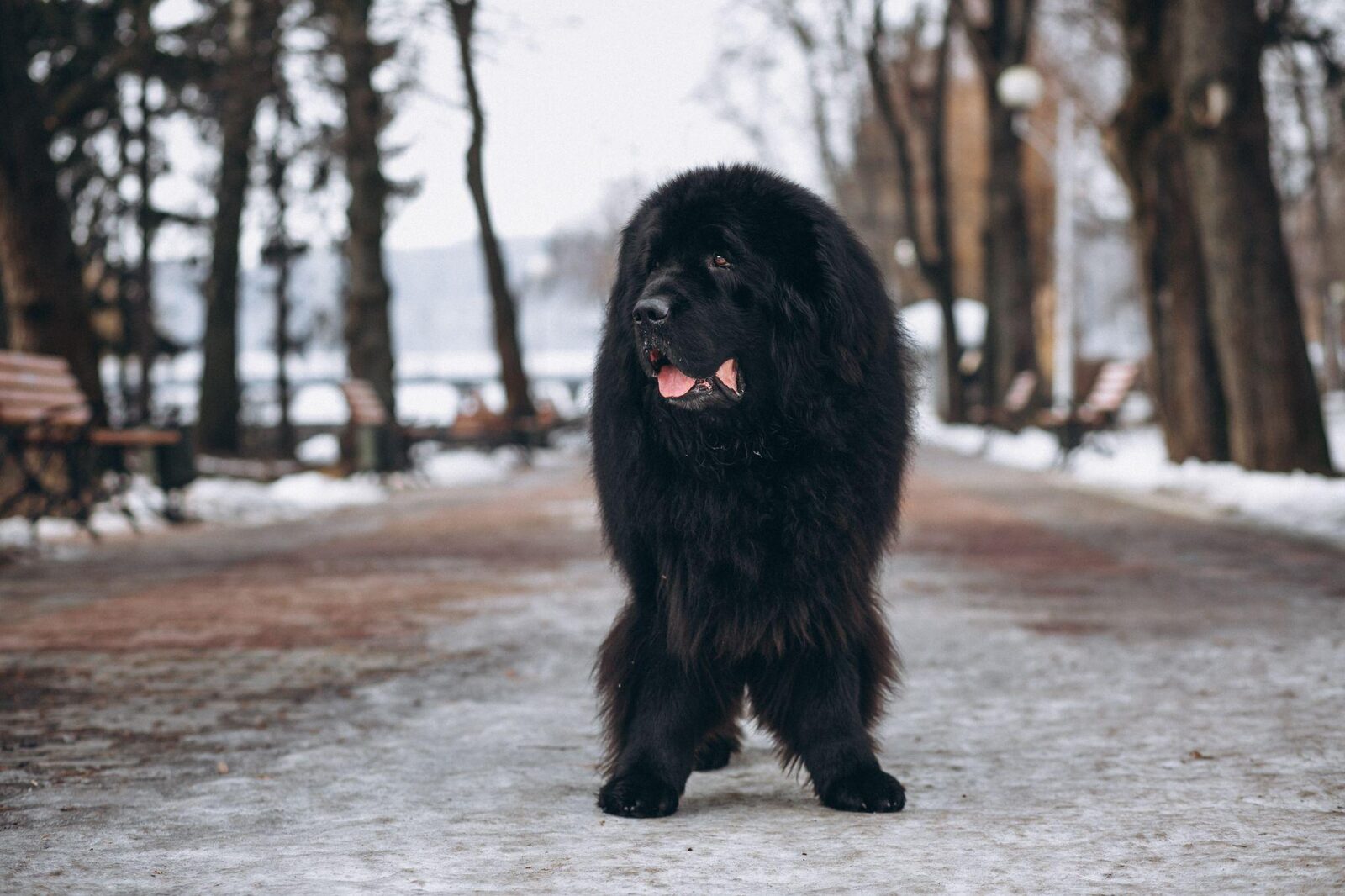
Climate-Driven Adaptations
Arctic and Cold-Climate Dogs
Arctic breeds, like the Siberian Husky and Alaskan Malamute, developed thick fur, high endurance, and specialized metabolisms to survive extreme cold. Genomic studies reveal continuity in Arctic ancestral lineages, showing how traits for cold survival were conserved over centuries (Genome Biology and Evolution, 2024). Even the famous sled dog Balto’s phenotype can now be reconstructed through evolutionary genomic data, illustrating adaptations to long-distance endurance work in icy environments.
High-Altitude Adaptations
Tibetan village dogs offer a striking example of genetic adaptation to low-oxygen environments. Mutations in the EPAS1 and HBB genes allow them to thrive at high altitudes, mirroring similar adaptations found in humans living on the Tibetan plateau. These traits were naturally selected over generations, demonstrating the profound impact of extreme geography on canine evolution.
Tropical and Hot-Climate Adaptations
African village dogs illustrate adaptations to heat and endemic diseases. Whole-genome sequencing shows genetic traits related to temperature tolerance, immunity, and survival in tropical climates, highlighting how dogs evolved in parallel with their human communities in hot regions.
Functional and Behavioral Adaptations
Physical traits often reflect regional function.
Sighthounds in Mediterranean and rural UK regions evolved long, slender bodies optimized for running and hunting in open terrain.
Flock guardians in mountainous European regions developed large sizes, strength, and protective instincts to deter predators.
Arctic sled dogs evolved endurance and cooperation with humans for long treks across snow-covered landscapes.
Geographic isolation reinforced these functional adaptations. Independent evolution within regions created breed clades with little genetic mixing between populations, resulting in highly specialized traits suited to local needs.
Diet, Agriculture, and Human Influence
Geography and climate influenced more than just size, fur, or endurance. Dietary pressures shaped genetic adaptations as well. Breeds in agricultural regions, particularly in East Asia and Europe, developed additional copies of genes related to starch digestion (AMY2B gene), allowing them to thrive on grain-based diets (Heredity, 2016).
Human migration also played a role. As people moved, they brought dogs with them, introducing new selective pressures. Arctic sled dogs, for example, were shaped by nomadic lifestyles requiring endurance and thick fur. European livestock guardians evolved in response to pastoral cultures, while sighthounds adapted to hunting practices in open terrain.
Ancient Climate and Long-Term Evolutionary Effects
The influence of geography and climate extends back millions of years. Cooling and drying over the past 40 million years transformed North America from wooded landscapes into open plains, directly influencing canid evolution (Brown University, 2015). Predators, including early dogs, adapted their hunting strategies, physical builds, and behaviors in response to these long-term environmental changes.
Research Consensus
Comprehensive genomic analyses confirm that both environmental factors (climate, altitude, disease, prey availability) and human-imposed functional roles (hunting, guarding, herding, companionship) guided the evolution of dog breeds. The distribution and diversity of breeds seen today from short-haired sighthounds to thick-furred Arctic sled dogs reflect centuries of adaptation to local conditions and human cultural practices.
In essence, the incredible diversity of dogs is not random. It is the direct outcome of geography, climate, and human influence, working together over thousands of years to create breeds specialized for survival and function in distinct regions.
Conclusion
Dogs are living testaments to the power of environmental adaptation and human guidance. Arctic sled dogs, Tibetan high-altitude breeds, African village dogs, and European flock guardians all demonstrate that geography and climate shaped their bodies, behaviors, and genetic makeup. By studying these adaptations through genomic research, we not only understand the past evolution of dogs but also gain insight into their unique abilities, health traits, and the evolutionary pressures that continue to shape them today.
Sources
Cell Reports (2017). Geographic and genetic influences on dog breed development.
Genome Biology and Evolution / Oxford Academic (2024). Arctic dog adaptations and genomic continuity.
Brown University News (2015). Climate and canid evolution over 40 million years.
Heredity / Nature Publishing (2016). Dietary adaptations and starch metabolism in dogs.
PubMed Central (PMC) – U.S. Government peer-reviewed research database.
Parker et al., Cell Reports. Breed formation, admixture, and geographic clustering.
Britannica & American Kennel Club references – historical and phenotypic data.