
Ancient Dog Breeds That Still Exist Today: Scientific Evidence & Research
Dogs have been humanity’s companions for thousands of years. Yet, not all breeds are equally “ancient.” Some modern breeds may look old but were created only a few centuries ago. Others, however, carry genetic and behavioral traits that link them directly to the earliest dogs who lived alongside humans. Thanks to modern genetic research, we now know which dog breeds are truly ancient and why their survival matters.
Defining “Ancient” in Dogs
When people call a breed “ancient,” they often mean it looks primitive or has been around for a long time in written history. But science uses a stricter definition.
Modern research relies on genomic analysis - sequencing DNA to trace how breeds diverged over thousands of years. This approach reveals which dogs branched early from the common canine family tree. For example, the Basenji, native to Central Africa, has been confirmed through high-quality genome sequencing as one of the oldest living dog breeds (BMC Genomics, 2021).
So, “ancient” no longer means “appears old-fashioned.” It means genetically distinct, with roots stretching back thousands of years.
From Wolves to Companions
The first step toward ancient breeds began with domestication. Genetic studies suggest that dogs split from wolves between 20,000 and 40,000 years ago (ScienceDirect, 2015). By around 11,000 years ago, at least five distinct dog lineages already existed (Nature, 2020). These lineages spread with migrating human populations, shaping the diversity of dogs we see today.
Some breeds remained close to their original lineages, while others were reshaped through selective breeding in the last few centuries. Ancient breeds stand out because their genetic makeup shows fewer signs of this recent reshaping.
The Scientific Gold Standard: Genetic Divergence Studies
Large-scale studies have repeatedly identified a group of “basal” or ancient breeds. Research published in the Proceedings of the National Academy of Sciences (2012) showed that certain breeds including the Basenji, Saluki, Afghan Hound, Akita, Shar-Pei, Chow Chow, and Siberian Husky form distinct clusters in the canine genetic family tree.
These findings matter because they separate true ancient lineages from breeds that were later “recreated” to look ancient. For instance, the Pharaoh Hound and Ibizan Hound resemble dogs depicted in Egyptian art, but DNA evidence suggests they were recreated in the 20th century (National Geographic, 2012).
The Basenji: A Living Link to the Past
Among all ancient breeds, the Basenji is perhaps the most studied. Sometimes called the “barkless dog” for its unique vocalizations, it still lives and hunts with tribes in the Congo.
Genomic sequencing by the University of New South Wales produced one of the highest-quality dog genomes ever published, confirming its early divergence from other breeds (BMC Genomics, 2021). Beyond genetics, behavior studies show Basenjis and other ancient breeds are less likely to seek human guidance in problem-solving tasks compared to modern European breeds (Scientific Reports, 2022).
This combination of genetic and behavioral evidence makes the Basenji a textbook example of what defines an ancient breed.
Other Recognized Ancient Breeds
While the Basenji gets much attention, many other breeds are recognized as ancient by genetic studies:
Saluki – Known as the “royal dog of Egypt,” with evidence of its presence in the Middle East for over 5,000 years.
Afghan Hound – A sighthound from Central Asia with strong ties to early hunting dogs.
Akita Inu – From Japan, historically used as a guard and hunting dog.
Shar-Pei – Chinese breed with genetic signatures linking it to early East Asian dogs.
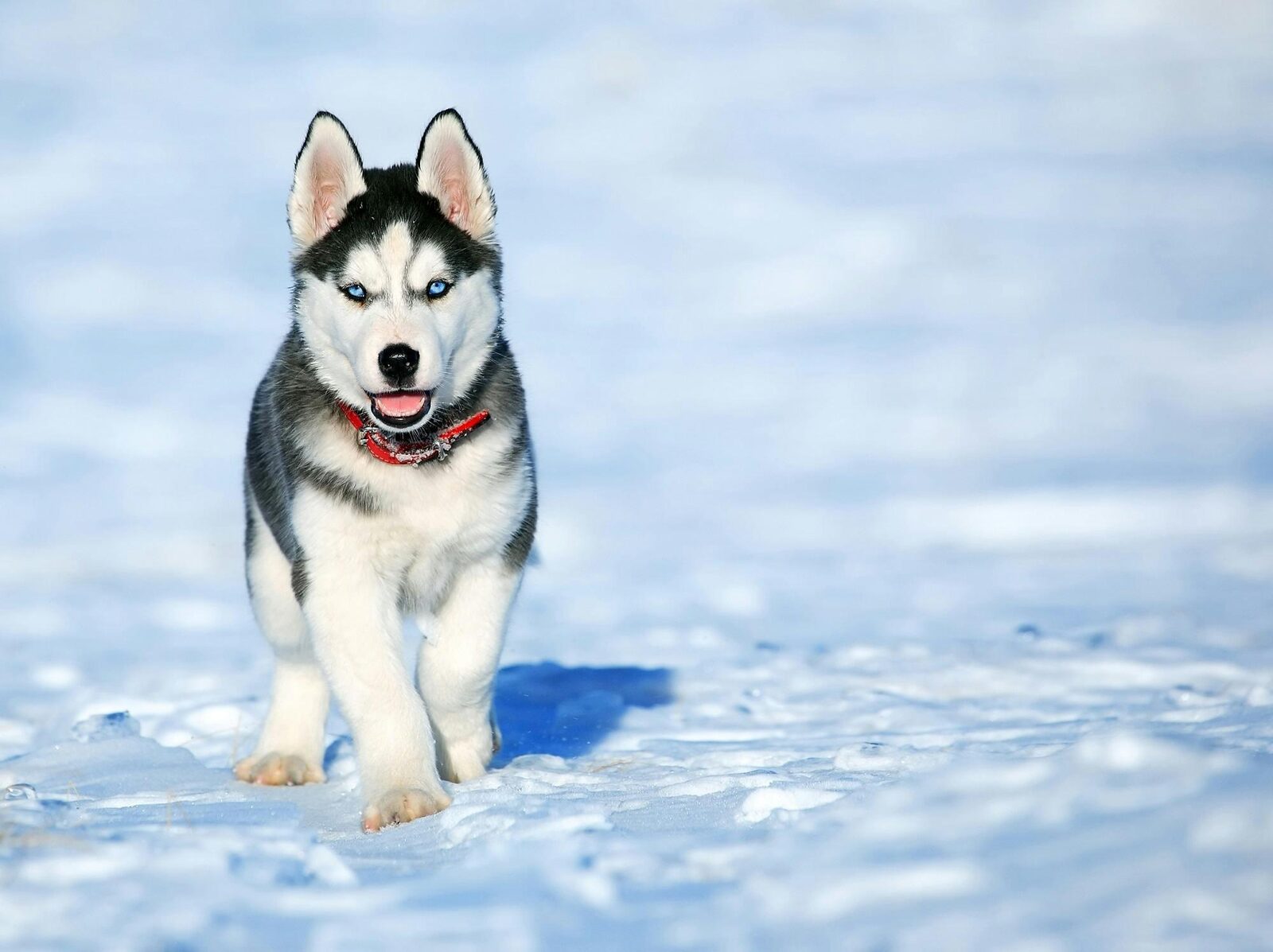
Siberian Husky & Alaskan Malamute – Arctic working dogs with genetic ties to ancient sled-pulling lineages.
Chow Chow – Another Chinese breed with a long history of multipurpose use.
Each of these breeds carries distinct genetic markers that link them more closely to early dog populations.
Myths and Misconceptions
Not every breed with an “ancient” look is truly ancient. The Pharaoh Hound and Ibizan Hound are prime examples. Although their appearance mirrors dogs seen in Egyptian art, DNA research shows they were recreated much later in Europe using selective breeding (National Geographic, 2012).
This distinction highlights the importance of relying on science over appearance when classifying dog breeds as ancient.
What Ancient Breeds Teach Us
Studying ancient breeds does more than satisfy curiosity - it provides insights into:
Dog-Human History: Ancient breeds reveal how dogs traveled with humans across continents, adapting to different roles and environments.
Behavioral Traits: Their independent problem-solving and lower reliance on human cues show how early dogs differed from modern companions.
Genetic Health: Ancient lineages often have unique traits like the Basenji’s resistance to certain diseases that help scientists understand canine health.
Preservation: Protecting these breeds is like conserving a living piece of history, ensuring that thousands of years of evolution aren’t lost.
Conclusion
Ancient dog breeds are more than just curiosities, they are living testaments to humanity’s oldest partnership. Through cutting-edge genetics, we now know that dogs like the Basenji, Saluki, Afghan Hound, Akita, and others are genuine survivors of early domestication.
They remind us that not all history is written in books, some of it runs on four legs, barks (or yodels), and continues to walk beside us today.
Sources
BMC Genomics (2021). Chromosome-length genome assembly of the Basenji.
Scientific Reports / Nature (2022). Ancient dog breeds and social cognitive abilities.
ScienceDirect (2015). Ancient wolf genome reveals early dog ancestry.
Nature (2020). Origins and genetic legacy of prehistoric dogs.
Proceedings of the National Academy of Sciences (2012). Genomic structure in village dogs and ancient breeds.
National Geographic (2012). Dog DNA study yields clues to breed origins.
University of New South Wales. Basenji genome sequencing research.
PLOS Genetics. Genome Sequencing Highlights the Dynamic Early History of Dogs