
Habits of Highly Effective Pet Owners
Habits of Highly Effective Pet Owners
Being a pet owner comes with significant responsibilities. Pets rely on their owners for care, companionship, and well-being. Highly effective pet owners go beyond the basics, cultivating habits that ensure their pets lead happy, healthy, and fulfilling lives. Here are some key habits of effective pet owners.
1. Commitment to Lifelong Learning
Effective pet owners understand that taking care of a pet involves continuous learning. Whether it's staying informed about the latest health guidelines, understanding specific breed characteristics, or learning new training techniques, they actively seek out knowledge. This commitment helps them provide better care and adapt to the changing needs of their pets as they age.
2. Prioritizing Health and Wellness
Health and wellness are at the forefront of a highly effective pet owner's priorities. They ensure their pets receive regular veterinary checkups, vaccinations, and necessary treatments. They are proactive about preventive care, such as regular flea and tick control, heartworm prevention, and dental care. Moreover, they pay attention to their pets' diet, providing balanced nutrition tailored to their specific needs.
3. Consistency in Training and Discipline
Effective pet owners understand the importance of consistency in training and discipline. They set clear boundaries and rules, ensuring their pets understand what is expected of them. Positive reinforcement techniques are commonly used to encourage good behavior, while inappropriate behaviors are addressed calmly and consistently. This approach helps in building a well-behaved, well-adjusted pet who is a joy to be around.
4. Providing Mental and Physical Stimulation
Pets need mental and physical stimulation to thrive. Highly effective pet owners make it a habit to provide regular exercise and playtime that caters to their pet's needs. For dogs, this might include daily walks, interactive toys, or agility exercises. For cats, it could involve climbing structures, puzzle feeders, or interactive play. They also recognize the importance of mental enrichment, ensuring their pets are challenged and engaged to prevent boredom and destructive behaviors.
5. Building Strong Bonds
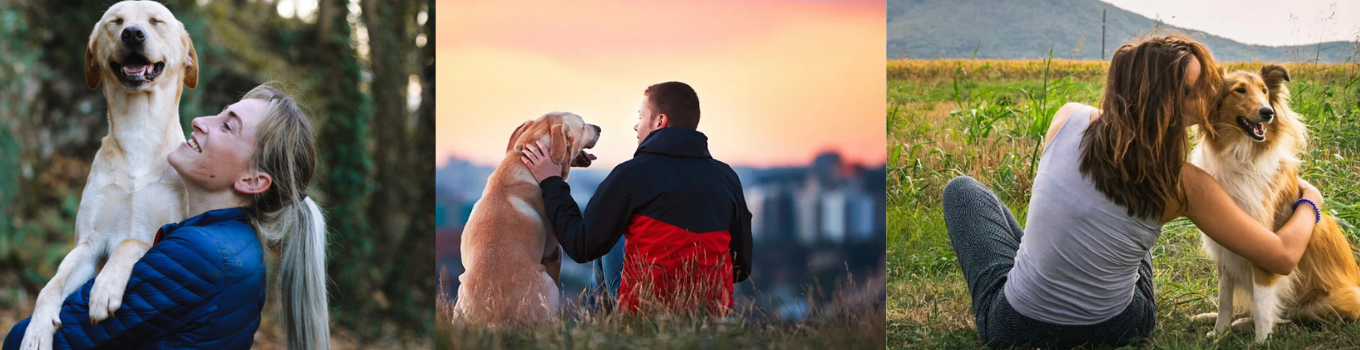
Building a strong bond with their pet is a top priority for effective pet owners. They spend quality time with their pets, engaging in activities that strengthen their connection. This bond is built on trust, affection, and understanding, and it plays a crucial role in the pet's emotional well-being. Whether it's through regular grooming sessions, cuddling, or simply being present, these owners ensure their pets feel loved and secure.
6. Being Attuned to Their Pet's Needs
Highly effective pet owners are in tune with their pet's needs and behaviors. They recognize subtle changes in their pet's demeanor, appetite, or activity levels, which might indicate underlying health issues or stress. By being attentive and responsive, they can address concerns promptly, ensuring their pets receive the care they need before issues escalate.
7. Maintaining a Safe and Clean Environment
A safe and clean environment is essential for a pet's well-being. Effective pet owners regularly clean their pet's living spaces, ensuring they are free from hazards, pests, and harmful substances. They also take steps to pet-proof their homes, safeguarding their pets from potential dangers such as toxic plants, electrical cords, or small objects that could be swallowed.
8. Planning for Emergencies
Preparedness is a hallmark of highly effective pet owners. They have a plan in place for emergencies, whether it's a natural disaster, medical emergency, or unexpected travel. This includes having a pet first-aid kit, knowing the location of the nearest emergency veterinary clinic, and having a trusted person who can care for their pet if needed. Being prepared helps them handle unexpected situations calmly and efficiently, ensuring their pet's safety.
9. Socialization and Positive Interactions
Socialization is key to a pet's development and happiness. Effective pet owners expose their pets to a variety of people, animals, and environments in a controlled and positive manner. This helps their pets develop confidence and reduces the likelihood of fear-based behaviors. They also encourage positive interactions with other pets, which can help in developing good social skills.
10. Balancing Routine and Flexibility
While routines are important for pets, effective pet owners also recognize the need for flexibility. They establish regular feeding, exercise, and sleep schedules, but they are also adaptable to changes when necessary. Whether it's a sudden change in work schedule or a vacation, they ensure their pets' needs are still met, even if adjustments need to be made.
Conclusion
Taking care of a pregnant female dog is a rewarding experience that requires careful planning and attention. By providing the right nutrition, exercise, veterinary care, and a comfortable environment, you can help ensure a healthy pregnancy and a safe delivery. Always consult with your veterinarian throughout the process to address any concerns and to receive professional guidance tailored to your dog's specific needs. Your efforts will contribute to the well-being of your dog and her puppies, setting them up for a healthy start in life.