
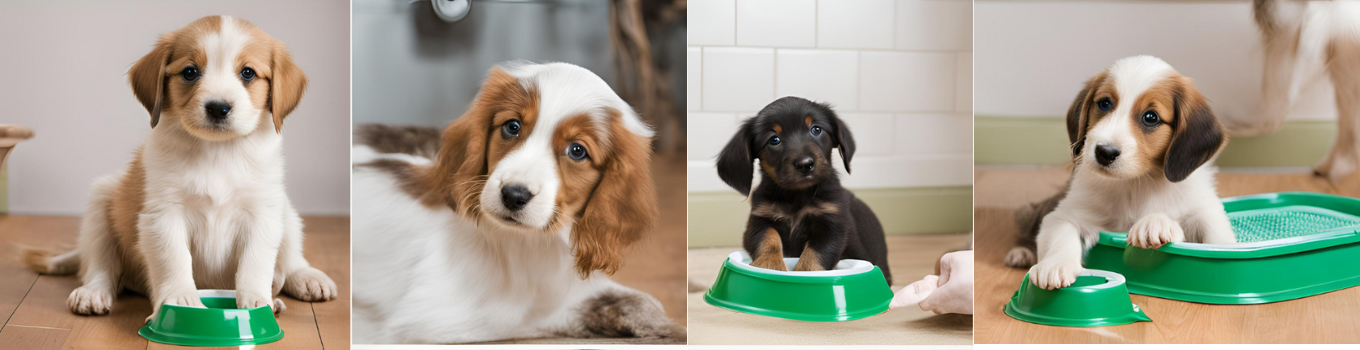
Effective Potty Training for Your Puppy
Effective Potty Training for Your Puppy
Potty training a puppy is an essential part of integrating them into your home and ensuring they become well-behaved members of your family. While the process requires patience and consistency, following a structured approach can make it more manageable and successful. Here’s a step-by-step guide to effectively potty train your puppy.
1. Establish a Routine
Consistency is key to potty training. Puppies thrive on routine, so establish a regular schedule for feeding, playtime, and bathroom breaks. Take your puppy out to eliminate first thing in the morning, after meals, after naps, and before bedtime. Frequent breaks, especially after eating or drinking, will help reinforce the desired behavior.
2. Choose a Designated Bathroom Spot
Take your puppy to the same spot every time they need to go. The familiar scent will prompt them to eliminate in that area. This consistency helps the puppy associate the specific spot with the act of going potty.
3. Use Positive Reinforcement
Reward your puppy immediately after they eliminate in the designated spot. Use treats, praise, or playtime as positive reinforcement. The immediate reward helps your puppy understand that they have done something good, encouraging them to repeat the behavior.
4. Monitor and Supervise
Keep a close eye on your puppy, especially during the initial stages of potty training. Supervision helps you catch early signs that your puppy needs to go, such as sniffing around, circling, or whining. When you notice these signs, quickly take your puppy to the designated bathroom spot.
5. Use a Crate
A crate can be a valuable tool for potty training. Dogs naturally avoid soiling their sleeping area, so a properly sized crate can help your puppy learn bladder control. Ensure the crate is not too large; it should be just big enough for the puppy to stand, turn around, and lie down comfortably. Use the crate for short periods and always take your puppy outside immediately after releasing them from the crate.
6. Establish a Command
Use a specific word or phrase, such as "go potty" or "do your business," consistently during bathroom trips. Over time, your puppy will associate the command with the act of eliminating and understand what you expect from them.
7. Be Patient and Consistent
Potty training takes time and patience. Expect accidents to happen, especially in the beginning. When accidents occur, clean the area thoroughly with an enzymatic cleaner to remove any lingering odors that might attract the puppy back to the same spot. Avoid scolding or punishing your puppy for accidents, as this can create fear and anxiety, making the training process more difficult.
8. Gradually Extend Freedom
As your puppy becomes more reliable in their potty habits, you can gradually give them more freedom in the house. Start by allowing them access to one room at a time and increase their freedom as they demonstrate consistent success with potty training.
Conclusion
Potty training a puppy requires a combination of patience, consistency, and positive reinforcement. By establishing a routine, supervising closely, using a crate, and rewarding good behavior, you can effectively teach your puppy to eliminate in the appropriate spot. Remember, every puppy is different, and some may take longer to train than others. Stay committed to the process, and your puppy will soon learn to be a well-behaved and house-trained member of your family.